
This is part two of a two-part blog about the High Line public park in New York City. I am NO expert on the High Line as I only discovered it last spring as a tourist in New York City. My passion for plants and interest in human culture have kept the High Line in my thoughts. The past, present, and future of the High Line tell a story of community activism to save a special landmark and turn it into something that can be enjoyed by anyone – for free (!). It’s also a story where the natural world inspired and continues to inform the direction of the High Line gardens.
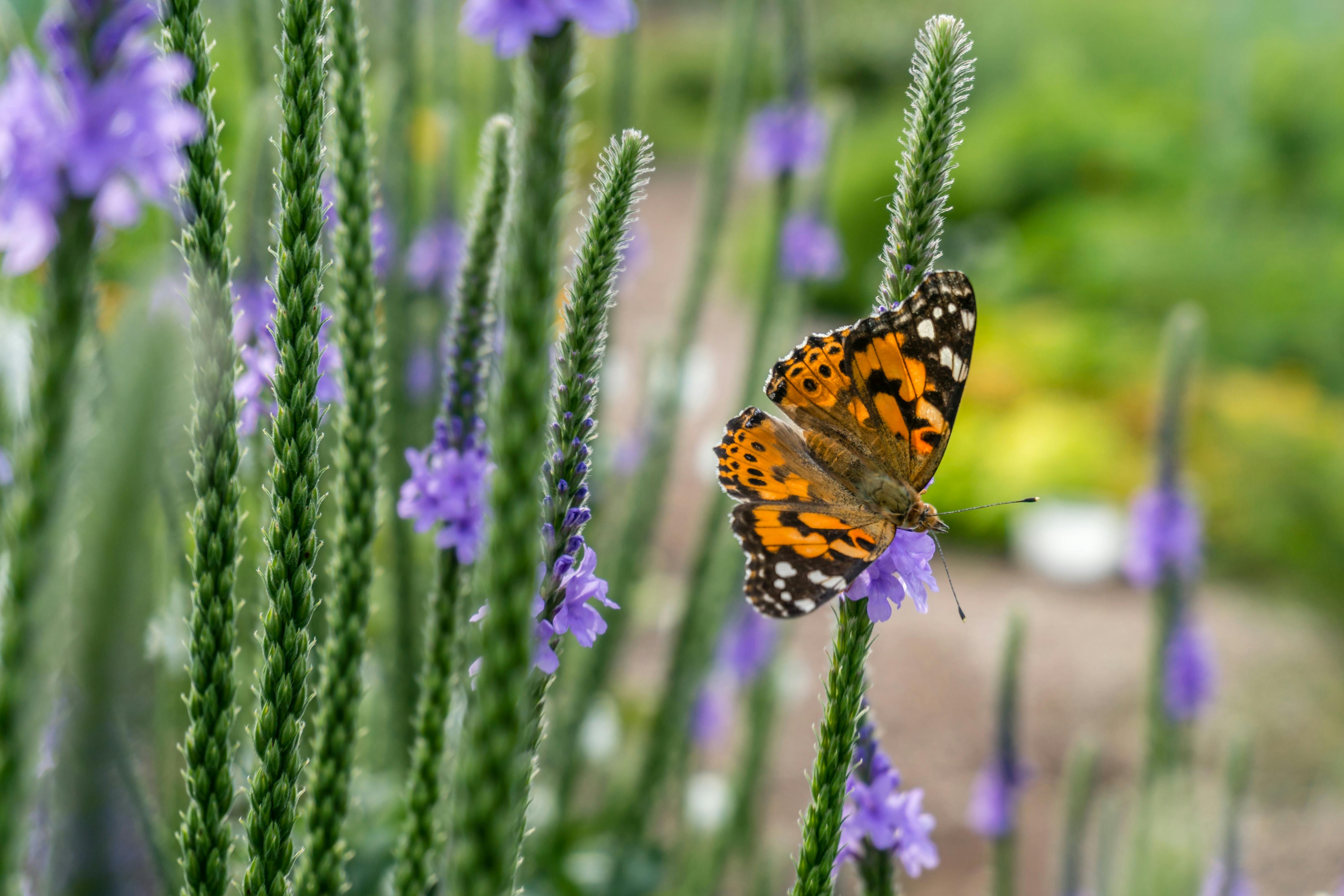
The High Line is a place where community events are hosted, a walkway where New Yorkers can get from one place to another, and a place where volunteers of all ages work to keep the gardens looking fresh. Local art is shown in the gardens while pollinators like bees, butterflies, and other nectar seeking insects can live their entire life cycles in the surrounding and thoughtfully selected plants. The High Line is a success story for horticulturists, gardeners, and community-minded people who see gardens as a place where people can come together to celebrate life and each other.
What to do with the abandoned above-ground rail line was decided by a contest launched 20 year ago in 2004. Friends of the High Line, an organization that programs, maintains, and operates the High Line in partnership with the New York City Department of Parks and Recreation, tasked the community to propose ideas for how to use the raised rail line. The idea of turning the space into a nature-inspired walking path with modern design features won the day. The cultivated wild-ness of perennials, trees, shrubs and annuals was crafted by the famous Dutch planting designer Piet Oudolf.
Piet Oudolf is a Dutch garden and planting designer, nurseryman and author. He and his wife began their careers in the garden-world with a plant nursery and garden that focuses on perennials- plants that return each year. Through this work, he developed a deep understanding of the relationships between plants, soil, and the surrounding environment. His garden design style to creates peaceful, beautiful, and self sustaining landscapes. But he reminds us that “a garden is never finished” and that gardeners will forever make “edits” to the garden design by way of weeding, replanting, pruning, and other garden tasks.
Piet Oudolf went on to inspire a movement within the horticultural world called the New Perennial Movement, a school of thought that focuses on reducing garden inputs, recycling garden outputs and designs with biodiversity in mind. Piet Oudolf and his style of naturalistic plant design can be recognized throughout the world.

The New Perennial Movement includes concepts like making gardens in symbiosis with nature, interweaving plant layers, grouping plants by common habitat, and working with the conditions of the soil and climate where the garden is located. Experimentation in this style of gardening is the key to learning and improving upon the design as the garden grows.

This style of design considers how plants interact with the soil, each other, and pollinators, and the effects of weather and time. Essentially it’s a kind of ecological gardening that gives equal weight to aesthetics and science in the design. Ecology is a branch of biology that deals with the relations of organisms to one another and to their physical environment. It considers elements from soil bacteria to the largest tree or the many humans who walk through the gardens daily.

According to the friends of the High Line website, Piet Oudolf “translated the magic of the self-seeded landscape of the derelict railway into what you see today.”
Today the High Line horticulturalists have shepherded and expanded upon Piet Oufolf’s vision and intention. They have incorporated more native plants, and are training the next generation of horticulturists. I hope you’ll plan to take a walk through the High Line if you ever find yourself in New York City.
I’ve included some links that I think you’ll enjoy.
Images of the High Line before it was a public garden.
Learn more about High Line history.
Great article on how to incorporate naturalistic planting design into a home garden.
Take a virtual walk of the 12 garden zones on the High Line!
Leave a Reply