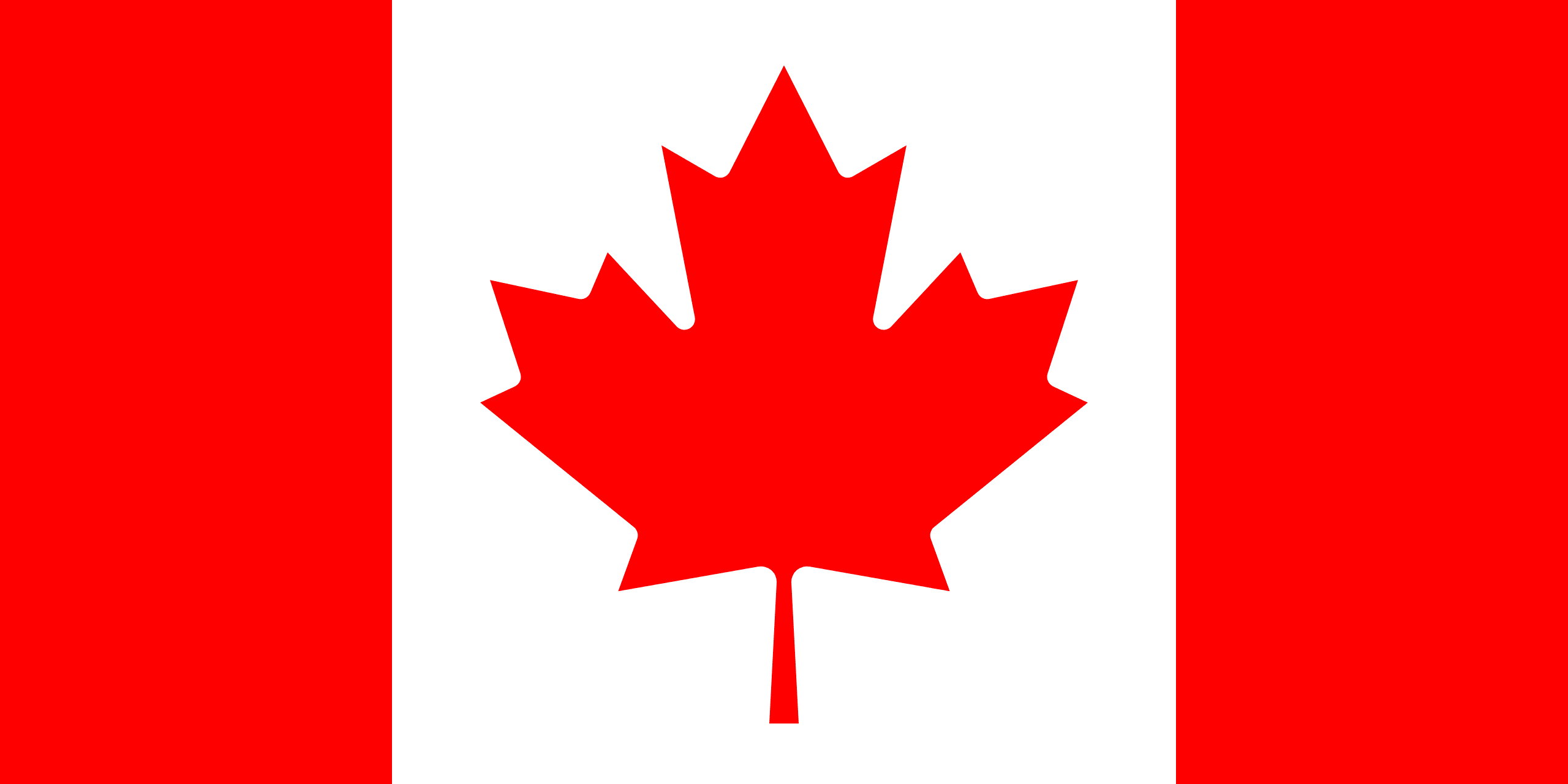

Happy Canada Day gardening friends! Today marks the 159th anniversary of confederation for Canada. In other words- today commemorates the union of Canada’s territories. In honor of Canada, I wanted to write briefly about peat moss and Canada’s contribution of not only peat, but important science regarding peat bog restoration. Canada is a world leader in developing sustainable methods to farm peat moss for the horticulture industry.
Canada and northern Russia are home to 75% of the world’s peat bogs. The USA comes in as a distant third with only 20 million hectares. Canada has 114 million hectares of peatlands and in the 90 years that they have been harvesting peat for horticulture, they have only used 34,000 hectares. That is only 0.03% of total peatlands in 90 years! (For reference, 1 hectare is equal to about 2.5 acres).
Peat bogs not only provide a valuable product that helps to grow vegetable and flowering plants for the world, they also serve as carbon sinks to reduce the amount of carbon dioxide in the atmosphere. While mining peat for use in horticulture temporarily removes the bog’s function as a carbon sink, restoration methods used in Canada fully restore the bogs’ ability to store carbon in just 12 to 15 years.
The Canadian Peat Industry is also mindful of plant biodiversity when restoring the mined bog sites. They use donor sites that are preserved with the help of biologists to replant the mined bogs. After the peat is harvested (only from the top layer of the bog,) sphagnum moss from a donor site is placed in the mined bog then covered with straw mulch to help maintain moisture. Then, carefully selected populations of plants are replanted into the restored site. Restored bog sites are fully functioning ecosystems within five years of mining .
If you would like to learn more about Canada’s peat bog restoration methods, please check out the Canadian Sphagnum Peat Moss Association Website. I learned a lot about the Canadian Peat Moss Industry and the restoration process from this cool chic’s – ‘Gardening in Canada’ Youtube Channel.
If you purchase potting soil, you are most likely using peat moss. It is used in soilless potting mixes for several reasons. Peat moss is lightweight and has the ability to keep soil moist (great water holding capacity). Because of its chemical structure, peat moss is also able to hold nutrients in the soil for plant roots to take up (it has a high cation exchange capacity). And finally, peat moss provides large pores to promote good drainage and aeration. I use an all-purpose growing medium that is made with peat moss to start all of my vegetable and flower seedlings. It is extremely reliable and consistent. If you are in east Texas, you can purchase the same growing medium at KBW supply.


When shopping for peat moss, or products containing peat moss, look for the the Veriflora Certification to show that the peat was harvested from land that practices sustainable peat bog restoration practices.

Thank-you for reading and Happy Canada Day! Don’t forget to sign up for my Soil Science for Curious Gardeners class if you’re in east Texas! It’s on July 22nd at the Whitehouse City Center.
Thank-you to my Canadian transplant friend, Carolyn Wharton, who brought Canada Day to my attention!


Leave a Reply